




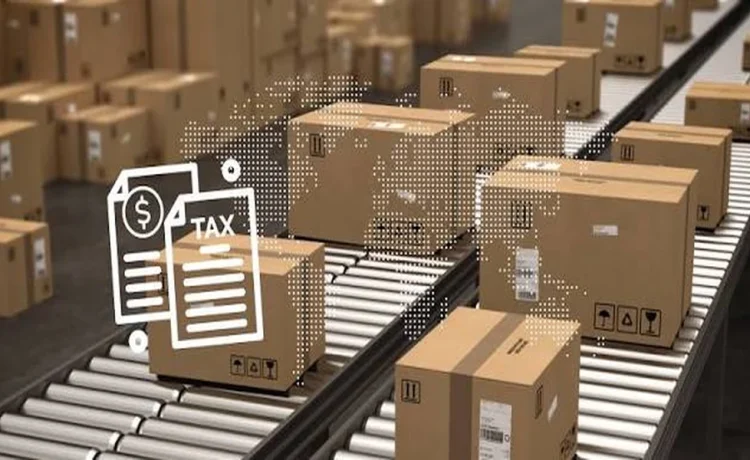
International shipments must follow rules that decide when small consignments qualify for reduced duties or simplified entry procedures. These limits affect business costs and customs paperwork. The de minimis threshold helps importers understand when certain charges may apply to goods entering another market. Knowing the main factors behind these limits allows sellers to prepare accurate records and avoid unexpected expenses. Clear planning also helps buyers understand possible fees before placing orders. Businesses that review customs requirements regularly can manage shipments more carefully while improving compliance and delivery planning.
What Determines The Applicable Value Limit?
Customs authorities set value limits according to national rules. These limits decide whether low value goods qualify for duty relief or simplified processing.
How Do Government Policies Affect Limits?
Public policies influence import charges through trade goals. Authorities may revise rules to protect local businesses or improve revenue collection.
How Can Product Classification Affect Charges?
Customs classification determines which rules apply to imported items. Incorrect codes may cause delays or unexpected payments.
– Select the correct product code.
– Review current classification guidance.
– Check special restrictions before dispatch.
– Keep supporting product specifications available.
– Correct errors before submitting declarations.
Why Does Product Type Matter For Eligibility?
Different goods may follow separate customs rules. Restricted items can face additional checks even when their declared value remains below the applicable limit.
Can Shipment Value Change Duty Requirements?
The declared value helps determine eligibility for relief. Accurate invoices support correct calculations and reduce disputes during customs review.
What Records Help Support Customs Declarations?
Accurate paperwork helps customs officers verify shipment details. Useful records may include invoices and payment confirmations.
– Supporting invoices should match the declared amount.
– Product descriptions must identify the goods clearly.
– Shipping records should show the correct parcel details.
– Payment evidence can support the stated transaction value.
– Supplier details help establish the commercial source.
How Do Customs Fees Influence Import Costs?
Import expenses may include taxes and handling charges. Understanding each fee helps businesses estimate the total cost before dispatching goods.
Does Country Of Origin Affect Assessment?
Trade agreements and origin rules can influence charges. Importers should verify product origin because special conditions may apply to eligible goods.
When Are Threshold Rules Updated By Authorities?
Authorities may change limits through new regulations. Businesses should monitor official notices to avoid using outdated information during shipment preparation.
Why Should Importers Review Tax Exemptions?
Relief from customs duty may not remove every tax. Separate rules can apply to different charges.
– Check whether duty relief applies.
– Confirm whether other taxes remain payable.
– Review special product conditions.
– Keep records of eligibility checks.
– Seek professional guidance when rules seem unclear.
What Happens When Declared Values Are Incorrect?
Incorrect values can lead to delays or penalties. Honest declarations help reduce disputes and support smoother customs processing.
– Match invoices with actual payments.
– Include relevant shipping costs where required.
– Avoid undervaluing goods.
– Respond promptly to customs requests.
– Correct inaccurate records through proper channels.
How Can Better Planning Reduce Import Risks?
Businesses can review the de minimis threshold before arranging shipments. A simple compliance process helps prevent avoidable costs.
– Check current official customs guidance.
– Calculate the full shipment value.
– Prepare complete supporting documents.
– Review taxes before confirming orders.
– Update internal procedures when rules change.
Successful cross border trade depends on accurate values and careful record keeping. Businesses should verify current customs rules before dispatching goods. A clear review process helps identify possible charges and prevents avoidable delays. Consulting qualified customs professionals can resolve complex cases. Regular checks also help sellers maintain reliable records and make informed shipping decisions.