




In an increasingly interconnected world, the value of one nation’s currency rarely affects only its own economy. Exchange rates shape the way countries trade, influence investment decisions, and affect the cost of goods and services across borders. Whether someone is purchasing imported products, investing in international markets, or managing a multinational business, currency movements often play a role behind the scenes.
Exchange rates are constantly changing due to a variety of factors, including interest rates, inflation, geopolitical developments, and market sentiment. These fluctuations can have ripple effects that extend far beyond financial institutions. Understanding how exchange rates influence global markets helps explain shifts in trade patterns, economic growth, and even everyday prices consumers pay for goods.
The Basics of Exchange Rates
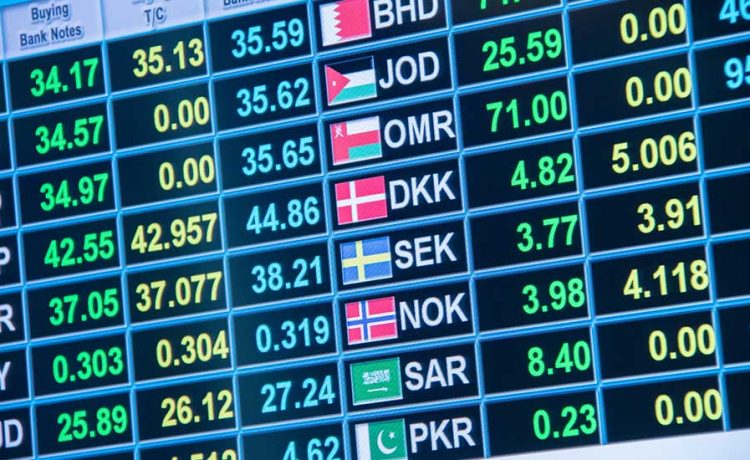
An exchange rate represents the value of one currency relative to another. For example, if one unit of a country’s currency can purchase more units of another currency than before, it is said to have strengthened. Conversely, if it buys less, the currency has weakened. These movements are determined largely by supply and demand in global financial markets.
Several factors influence exchange rate movements. Interest rate changes by central banks can attract or discourage foreign investment. Inflation levels may weaken a currency if prices rise faster than those in other economies. Political stability and economic performance also play a role, as investors often prefer currencies associated with stable and growing economies.
For those interested in understanding global finance in greater detail, exploring resources that explain more about currencies can help clarify how exchange rates are determined and why they fluctuate so frequently in international markets.
Exchange Rates and International Trade
One of the most direct ways exchange rates affect economies is through international trade. When a country’s currency weakens, its exports typically become cheaper for foreign buyers. This can make domestically produced goods more competitive in global markets, potentially boosting export industries and supporting economic growth.
At the same time, a weaker currency can make imports more expensive. Businesses that rely on imported raw materials may face higher production costs, and consumers might see increased prices for foreign products. While exporters may benefit, industries dependent on imports may experience financial pressure.
Conversely, when a currency strengthens, imported goods become more affordable, which can help reduce inflation and improve consumer purchasing power. However, stronger currencies can make exports more expensive for international buyers, potentially reducing demand for domestically produced goods abroad. This delicate balance often influences government policies and central bank decisions.
Impact on Global Investment Flows
Exchange rates also play a major role in shaping international investment. Investors frequently evaluate currency stability and potential appreciation when deciding where to allocate capital. A strong and stable currency can attract foreign investment because it signals economic confidence and protects the value of assets.
However, rapidly rising currencies can sometimes discourage exports and slow economic growth, which may eventually affect investment opportunities. On the other hand, weaker currencies can attract investors looking for lower entry prices in certain markets, particularly if they believe the currency will strengthen in the future.
Global investment funds, multinational corporations, and financial institutions closely monitor currency trends because they can influence the profitability of international investments. Even when the underlying investment performs well, unfavourable currency movements can reduce returns when profits are converted back into the investor’s home currency.
The Role of Central Banks and Monetary Policy
Central banks are among the most influential players when it comes to exchange rates. Through monetary policy tools such as interest rate adjustments, asset purchases, and currency interventions, central banks can influence currency values and broader economic conditions.
When a central bank raises interest rates, it often attracts foreign capital seeking higher returns on investments like government bonds. This increased demand for the currency can lead to appreciation. Conversely, lowering interest rates may weaken a currency as investors search for better opportunities elsewhere.
Central banks sometimes intervene directly in currency markets by buying or selling their own currency to stabilise exchange rates. Such actions are usually taken during periods of extreme volatility or when currency fluctuations threaten economic stability. These decisions can have global consequences because currency movements in major economies often influence financial conditions around the world.
Exchange Rates and Inflation
Currency movements can also affect inflation levels within a country. When a currency weakens significantly, imported goods become more expensive. Since many economies rely on imported fuel, raw materials, or manufactured products, these higher costs can spread throughout the economy and push prices upward.
In contrast, a stronger currency can help control inflation by lowering the cost of imports. Cheaper foreign goods may ease pressure on domestic prices and give consumers more purchasing power. Governments and central banks often consider these effects when shaping economic policies.
Conclusion
Exchange rates are a fundamental component of the global financial system. Their movements influence trade balances, investment decisions, inflation levels, and economic growth across countries. While the mechanics of currency markets may appear complex, the effects of exchange rate fluctuations are felt in everyday economic activity, from the cost of imported goods to the performance of international investments.
As globalisation continues to deepen economic connections between nations, the importance of understanding currency dynamics will only grow. By learning how exchange rates function and how they shape global markets, individuals and businesses can gain a clearer perspective on the forces driving modern economies and make more informed decisions in an increasingly interconnected world.